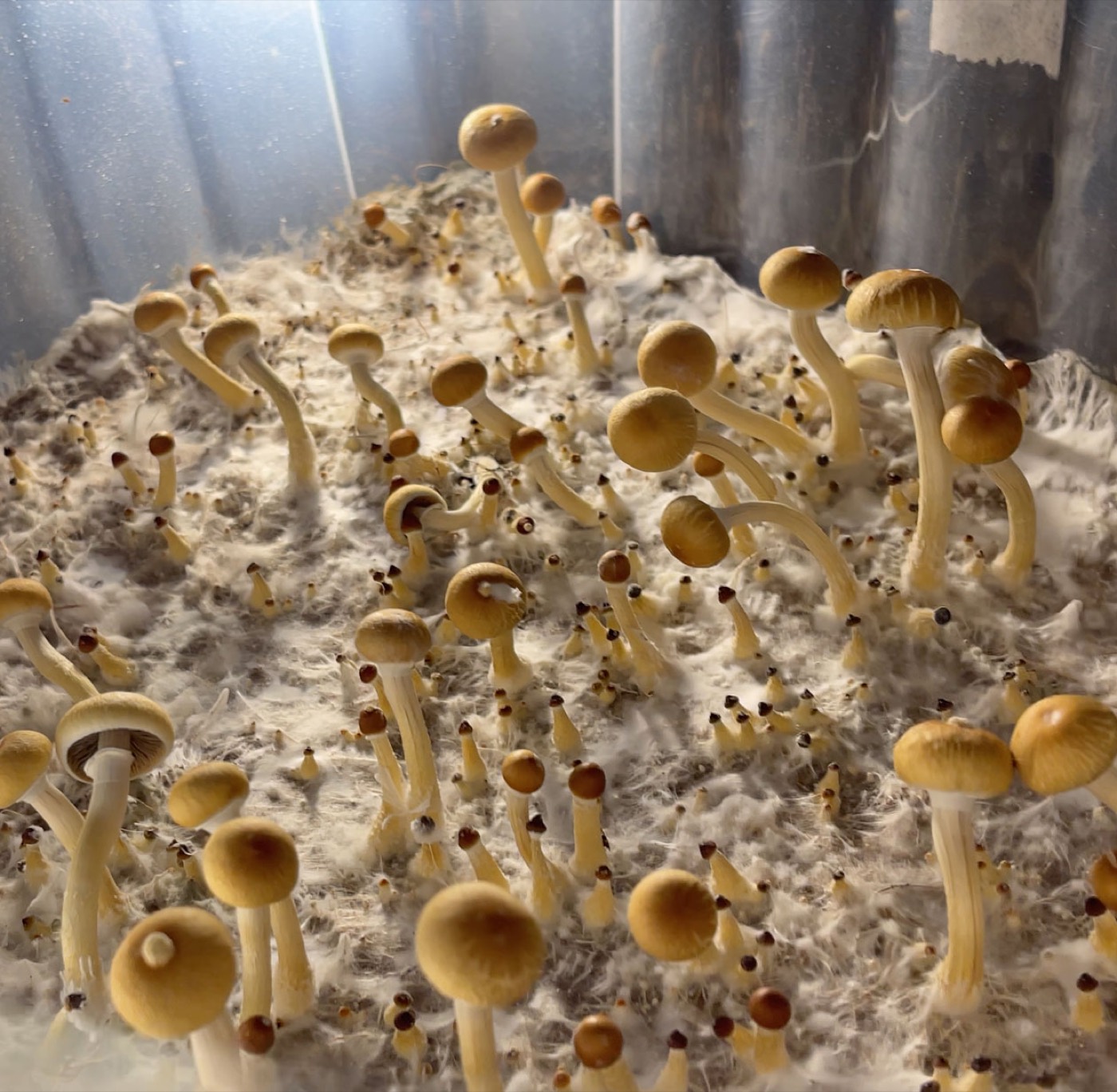
The curious
A podcast, a headline, a friend who came back different. You want the real story before you form an opinion — hype filtered out, unknowns left visible.
shroomcourse.org · a complete psilocybin education · coming soon
A 12-module course on psilocybin mushrooms — the organism, the science, the risks nobody markets, and the preparation that changes everything. Built by science educators with one agenda: nobody walks in uninformed.
Registration opens soon · Founding-member pricing for the waitlist
Why this exists
Psilocybin is having a moment — headlines, retreats, breathless podcasts. Somewhere between "miracle cure" and "just say no" lives the truth, and you deserve all of it: what the research actually shows, who should never go near this, what a difficult experience really is, and why preparation matters more than anything you can buy.
We're teachers, not doctors or facilitators — and nothing in this course encourages anyone to break the law, or to take mushrooms at all. Psilocybin remains illegal in most places. What we promise is simpler, and more honest.
Who this is for
A podcast, a headline, a friend who came back different. You want the real story before you form an opinion — hype filtered out, unknowns left visible.
You're not convinced — good. Skepticism is welcome here. Half this course was built for exactly the questions you're already asking.
Someone you love is considering this. You want to know enough to keep them safe, spot the red flags, and ask the right questions out loud.
Something has been heavy for a long time, and you've started to wonder. That hope deserves honest information — not hype, and not a sales pitch.
Whatever brought you — you don't need to have decided anything to belong here.
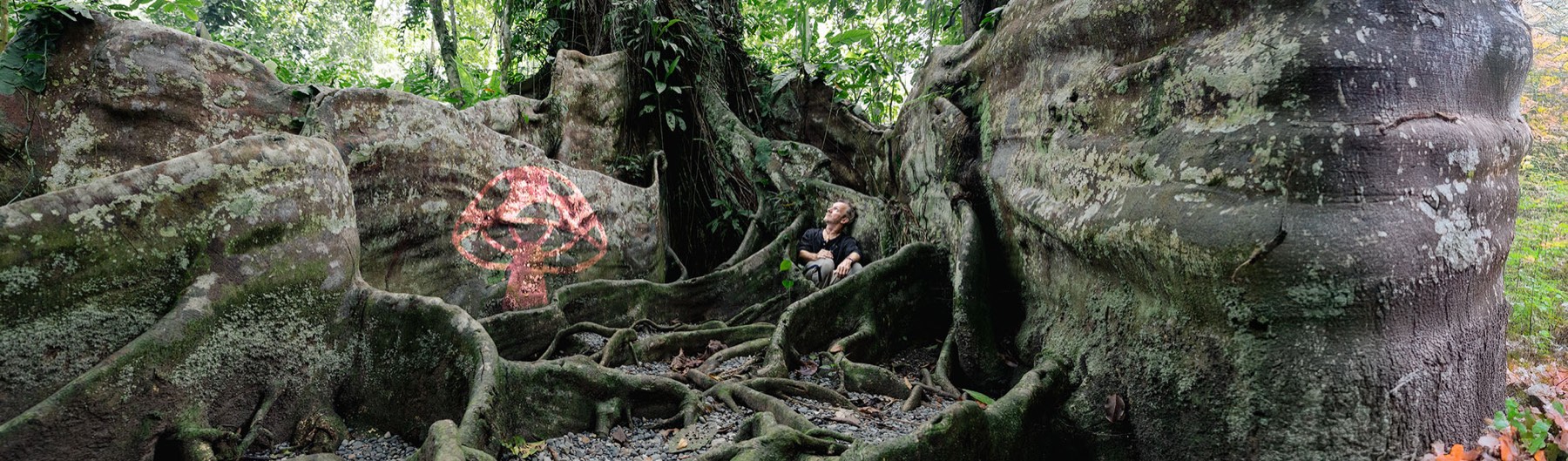
"You do not simply take mushrooms — you build a relationship with them."— Darren Le Baron · grower & educator, from the course conversations
What it's actually like
This is the question under every other question: what will happen to me? Anyone who promises you a specific experience is selling something. What the research and the people who guide these journeys can offer is the shape of the thing — and the skills for its harder stretches.
A typical oral-dose arc — hover or tap a phase to walk the territory. Timing and intensity vary with species, amount, and above all, the person.
Module 03 maps the whole experience — including the difficult stretches nobody markets · Module 08 teaches you to navigate them
The curriculum
Each module opens with a story, teaches through film and plain language, and closes with a summary you could explain to a friend. Safety isn't a chapter here — it's the thread the whole course hangs on.
safety-critical marks a module clinicians helped write.
Who this is for, who we are — and just as important, who we are not. The no-agenda promise, stated plainly and early. The legal map of the world as it stands.
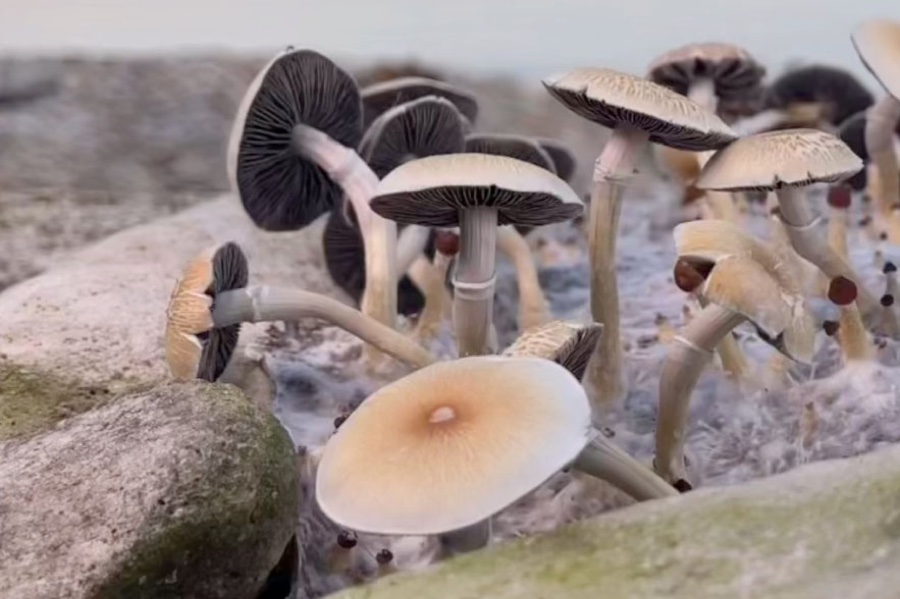
Before it's a substance, it's a living organism with a deep human history — mycelium, species, María Sabina, and the scientific renaissance. Respect starts with biology.
Receptors, the default mode network, and neuroplasticity in plain language — plus the honest limits: small trials, expectancy effects, and what "more research needed" really means.
The arc from onset to the long return, the mirror principle — and difficult experiences told honestly, without the phrase "bad trip" and without flinching.
Psychiatric contraindications, medication interactions, physical health, situational risk, legal risk, and when to get help. The things a good clinician would insist you hear first.
An honest self-inventory, how to talk to your doctor, the legal pathways that exist today, a facilitator-vetting checklist — and full permission to answer "no," or "not yet."
Set, setting, and the single most protective choice a person can make: experienced, sober support. Preparation like planning a surprise party for someone you love.
What people report and what placebo-controlled research actually shows — both true, both presented without spin. Plus the open questions researchers are still working through.
You can't steer it like a car — and trying is usually what makes things hard. Surrender as a skill, the phrases sitters actually use, and what to do in a genuine emergency.
The experience is a doorway, not the destination. The first 72 hours, the practices that turn insight into change, and why isolation undoes the work.
Some people change profoundly. Some get a meaningful nudge. Some feel nothing shift at all. Real stories — including the unglamorous ones — held without flinching.
The module that matters most
The psychedelic conversation online is thick with enthusiasm and thin on caution. Module 04 slows all the way down and says the hard things first — because low risk has never meant no risk.
A personal or family history of psychosis or bipolar disorder changes everything. Screening exists for a reason.
SSRIs and other psychiatric medications need professional guidance — and lithium carries serious, documented risks in combination.
Cardiovascular conditions and physical health deserve a real medical conversation, not a shrug and a hope.
Alone, near water, heights, or roads — setting is a safety decision long before it's an aesthetic one.
Misidentified and adulterated material is a real risk. Source certainty is a safety issue, not a detail.
Destabilization, HPPD, and spiritual bypassing are uncommon — and "uncommon" has never meant "never."
Legal risk is a category of harm in its own right, not a footnote. Psilocybin remains illegal in most jurisdictions.
The warning signs during and after an experience — and a plain emergency plan made before, never during.
And the one a biologist has to say out loud:
"natural" has never meant "harmless."
Everything touching screening, interactions, or amounts is written with — and reviewed by — clinical and facilitation advisors before launch. We hold the teaching. They hold the clinical line.
From the film library
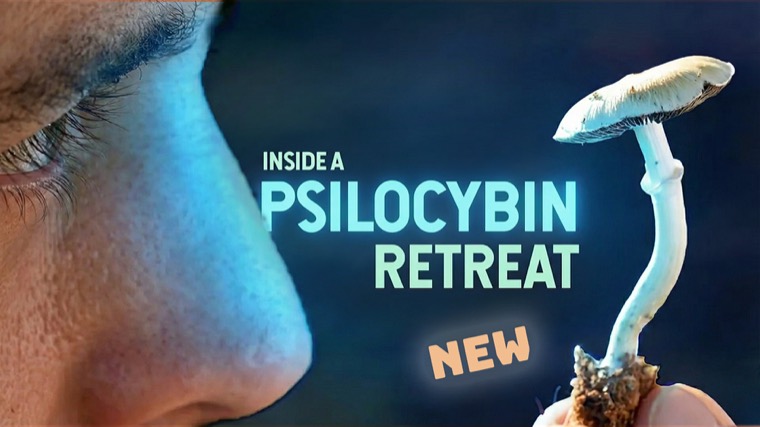
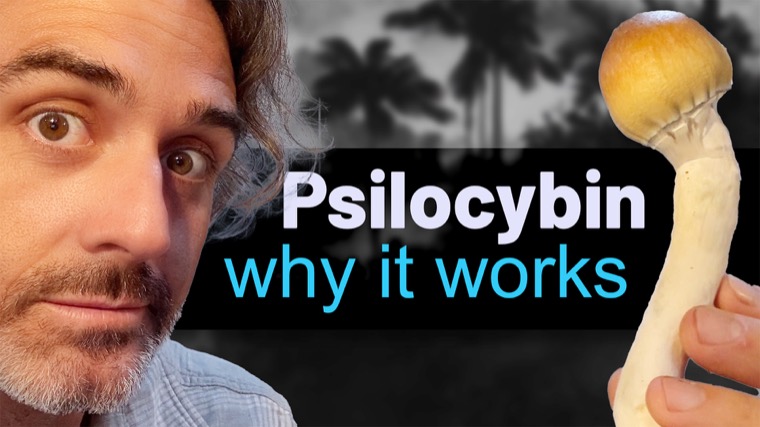
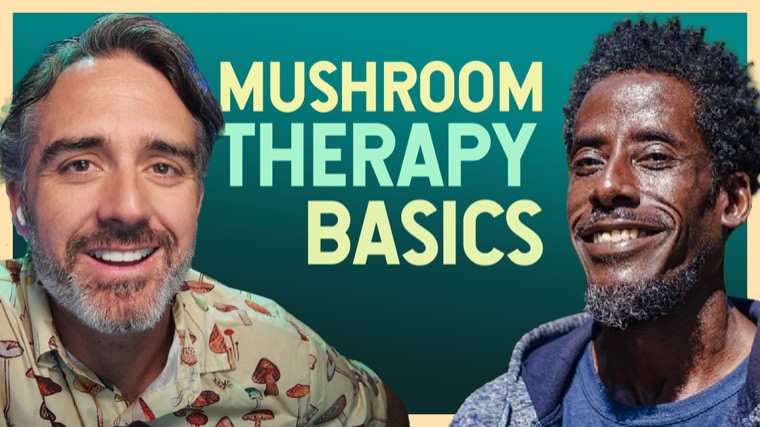
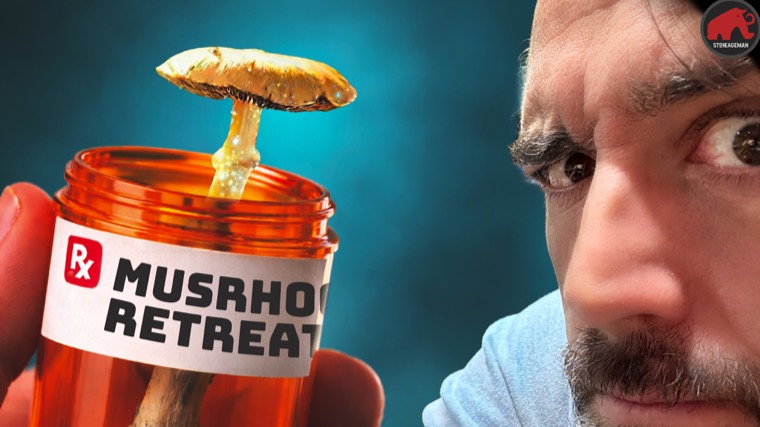
Five films anchor the course, made the way we've made science television for twenty years — curious, rigorous, and allergic to hype.
The full library — plus new course films — unlocks at launch
Your guide
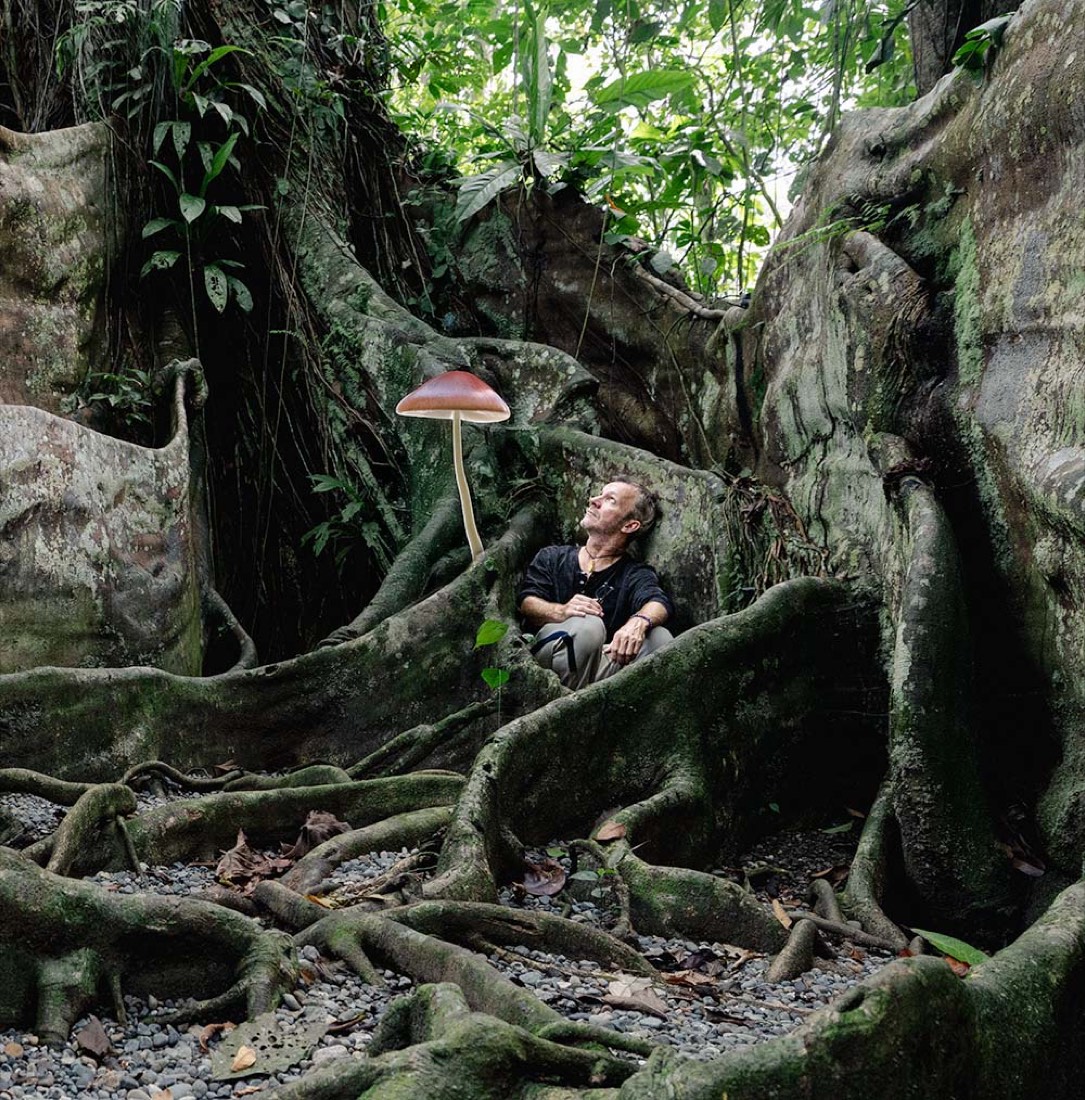
Rob Nelson has spent two decades making hard science easy to love — as the biologist and filmmaker behind Untamed Science, StoneAgeMan, and classroom films used by millions of students. When people started asking him about psilocybin, he went looking for a course he could hand them. It didn't exist. So he's building it.
He is not a doctor and not a facilitator — and won't pretend to be. He's a teacher. The clinical lines in this course are held by the clinicians, facilitators, and lifelong mycologists who feature in it — including grower-educator Darren Le Baron.
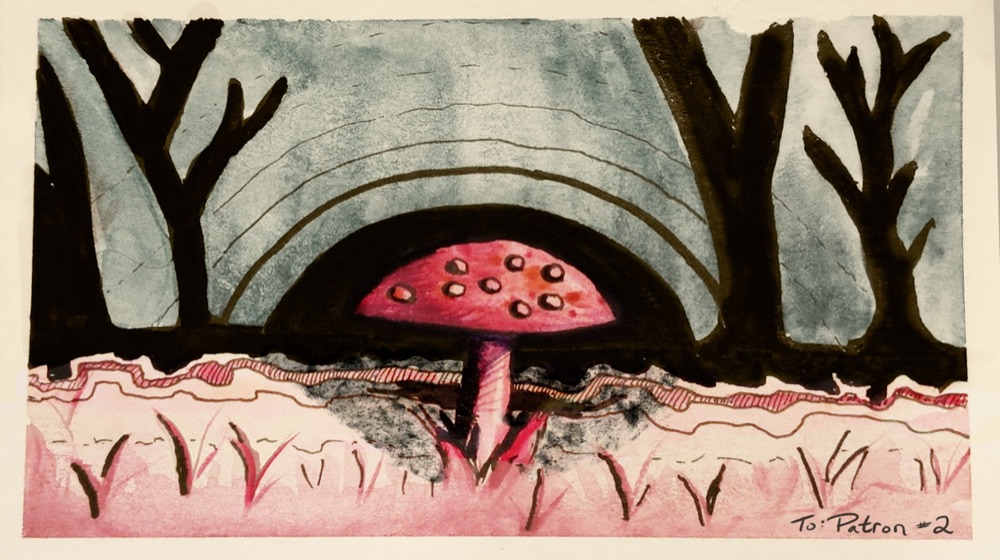
A companion field book is in the works with a collaborating author — written to read alongside the course, module by module. Waitlist members hear about it first.
Coming soon
The course is in production now. Join the waitlist for founding-member pricing when registration opens — plus a few honest field notes while you wait. No spam. No agenda. Leave anytime.
Watch your inbox — and thank you for wanting to know it first.
That didn't go through — check your connection and try again.
Registration opens soon · shroomcourse.org